Moving house with children: how to prepare your child

Moving is a big event for adults – and an even bigger one for children. A new room, a new neighbourhood, sometimes a new school and new friends. The good news: a child who knows what is happening and has a part to play usually copes with the change much more calmly. Below you will find practical tips and a little surprise – moving-themed colouring pages to print.
How to prepare your child for a move
Tell them early, and tell the truth
Let your child know about the move in good time – little ones need less notice, teenagers more. Explain why you are moving, what will change and what will stay the same. Answer their questions, even when you hear them for the tenth time.
Show them the new place
If you can, visit the new home and the area together: the playground, the school, the shops. If you are moving far away, photos and a walk around an online map help.
Give your child some choices
- let them decide on the wall colour or how the furniture goes in their room,
- let them pack “their” box of toys and decorate it with drawings,
- let them choose favourite things that travel with them in the car rather than in the removal van.
Keep the routine
Regular mealtimes and bedtimes, a favourite cuddly toy and the usual bedtime ritual give a sense of security while everything around them changes.
Match the conversation to your child’s age
- Toddlers and pre-schoolers (up to about 5) understand best through play: moving their teddies in a box, colouring pages and picture books (you will find them below). Telling them a few days in advance is enough.
- School-age children usually worry about friends and the new school. Show them the new school and the area, and plan together how they will stay in touch with their friends.
- Teenagers need the most time and the most say – in how their room is arranged, in saying goodbye to friends. Take their worries seriously, even if they seem exaggerated.
On moving day
Ideally, the youngest children spend the day with grandparents or friends. It saves them – and you – a lot of stress, and a staircase full of boxes and heavy furniture is no place for small children. Older children can help with small jobs, such as keeping track of the list of boxes.
When you arrive, start with your child’s room: bed, bedding, favourite toys. Familiar things in a new place help a lot with falling asleep on the first night.
After the move
- Take care of the paperwork: registering at the new nursery or school, finding a new doctor.
- Help your child stay in touch with old friends – video calls, visits.
- Give your child time. A low mood or trouble sleeping in the first weeks is normal.
Moving to Poland with your family? Our guide to moving to Poland covers registration, bringing your belongings, pets and more.
Moving-themed colouring pages to download
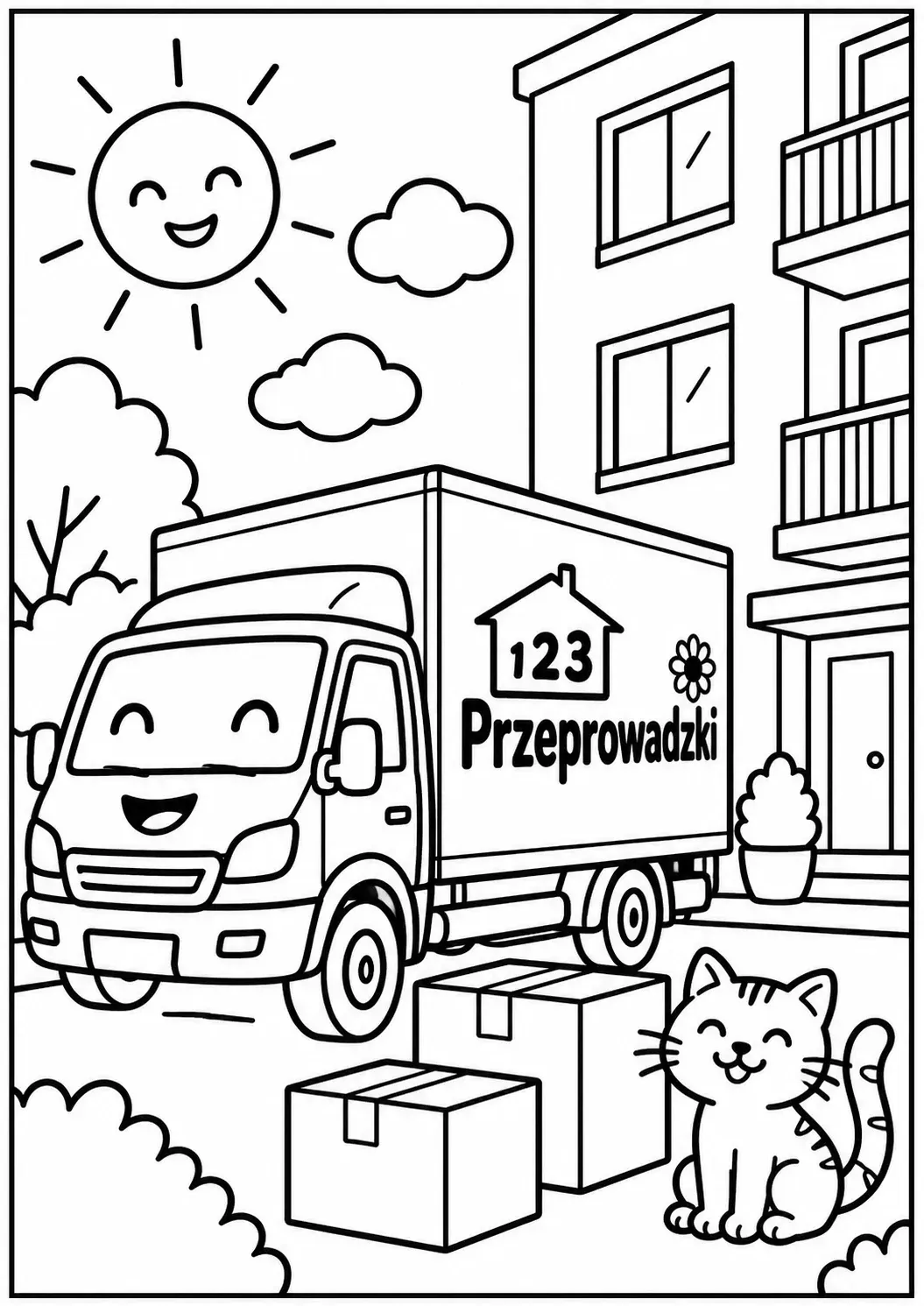
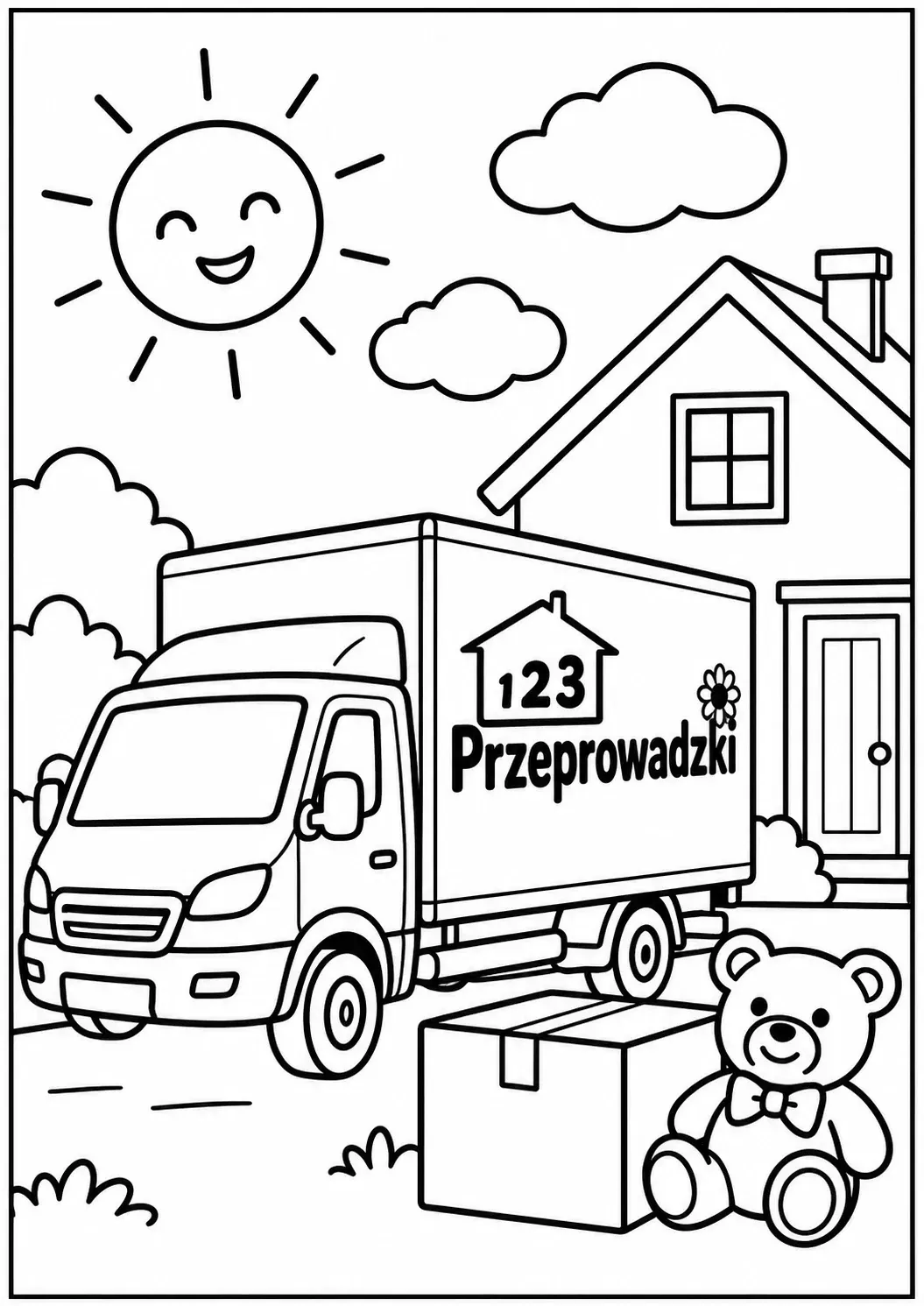
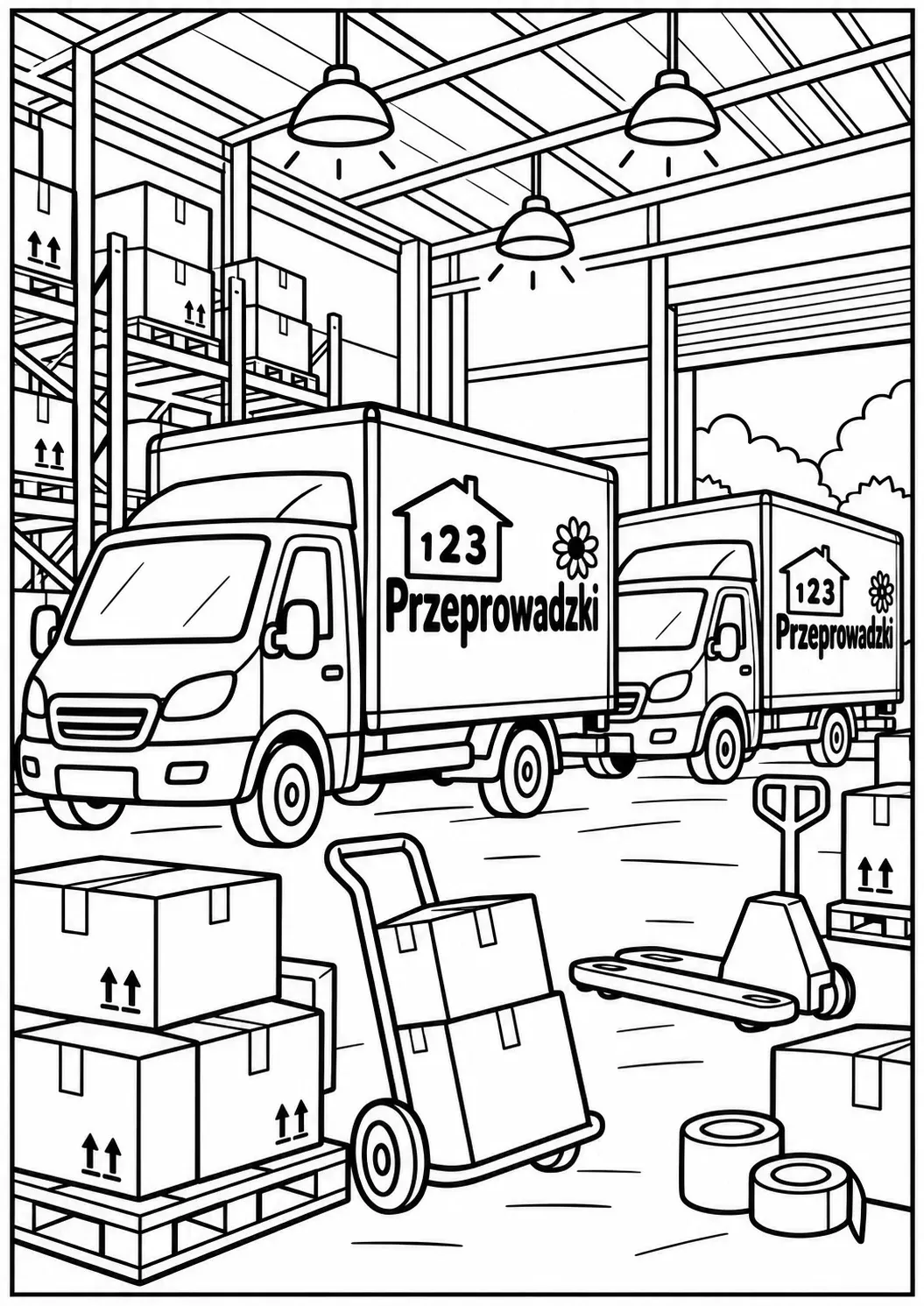
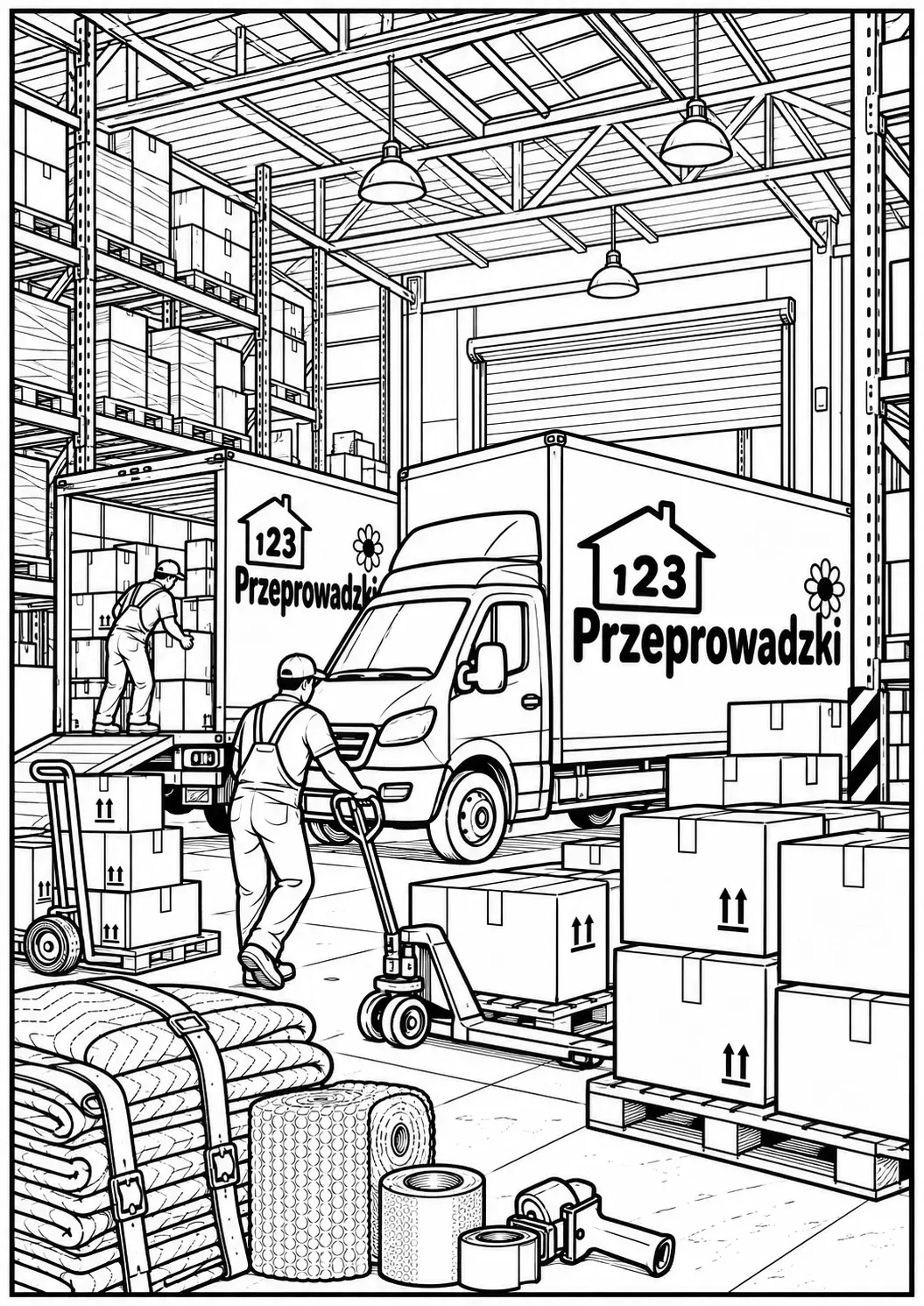
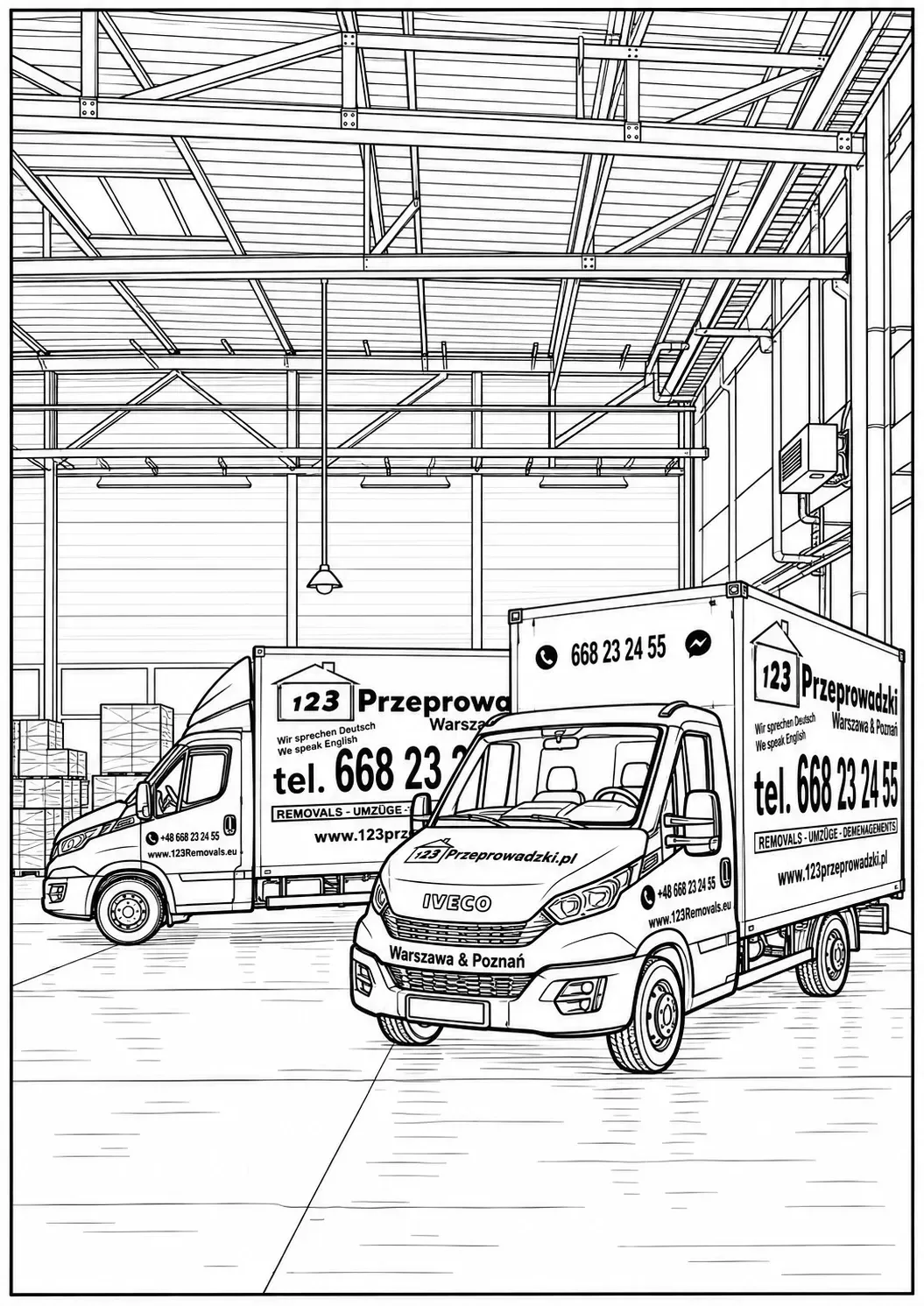
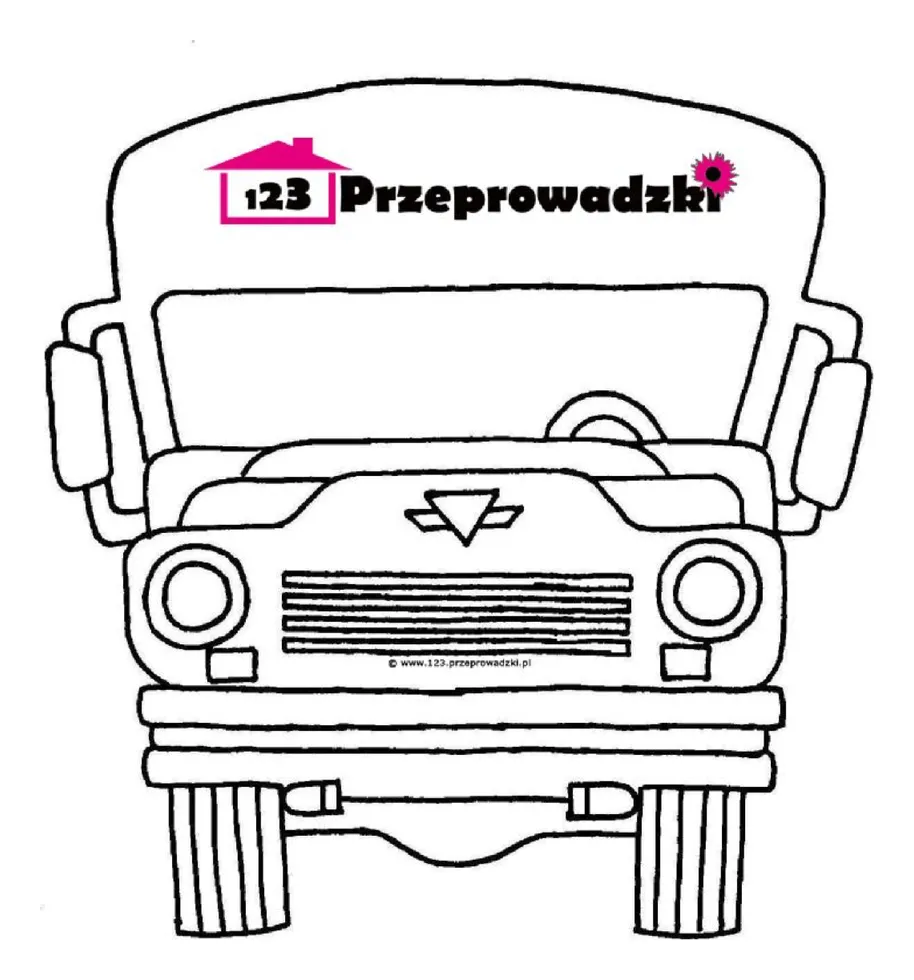
Play that relates to the move helps children get used to the new situation. We have prepared colouring pages that you can download and print for free – click a thumbnail to open the PDF.

Children’s books about moving
Picture books describe the stages of a move in a simple way and help children talk about their feelings. A few well-loved titles to look for in your library or bookshop:
- “Moving House” by Anne Civardi and Stephen Cartwright (Usborne First Experiences) – for toddlers and pre-schoolers,
- “The Berenstain Bears’ Moving Day” by Stan and Jan Berenstain – a gentle story about leaving an old home,
- “Alexander, Who’s Not (Do You Hear Me? I Mean It!) Going to Move” by Judith Viorst – for school-age children who don’t want to move at all.
Less stress for the whole family
The less a parent has to carry and organise, the more time they have for their child. You will find a full timeline in our guide on how to plan your move. If you would rather leave the packing, transport and furniture assembly to professionals, see our house and flat removals and get a free quote.